
Crypto Casino Gambling License UK Complete Regulatory Framework
Get your welcome bonus
Crypto casino UK licensing: your 2026 compliance guide
Top Bonus Сrypto Сasino For GB

Welcome bonus for new players
- Bonus credited after deposit confirmation
- Wagering requirements apply to promotional credits
- Activation available to verified account holders
Free bonus on account registration
- Awarded after account verification is completed
- Available on selected games and betting options
- Terms and conditions apply to bonus withdrawal
Free spins package for new players
- Credited to eligible player accounts after registration
- Applicable to selected casino game titles
- Winnings subject to applicable playthrough requirements
Cashback on player activity
- Calculated based on eligible player activity
- Available on casino games and sports betting
- Credited to player account with each calculation
Top slots











Popular slots







New slots









How Crypto Casino Licensing Works in 2026
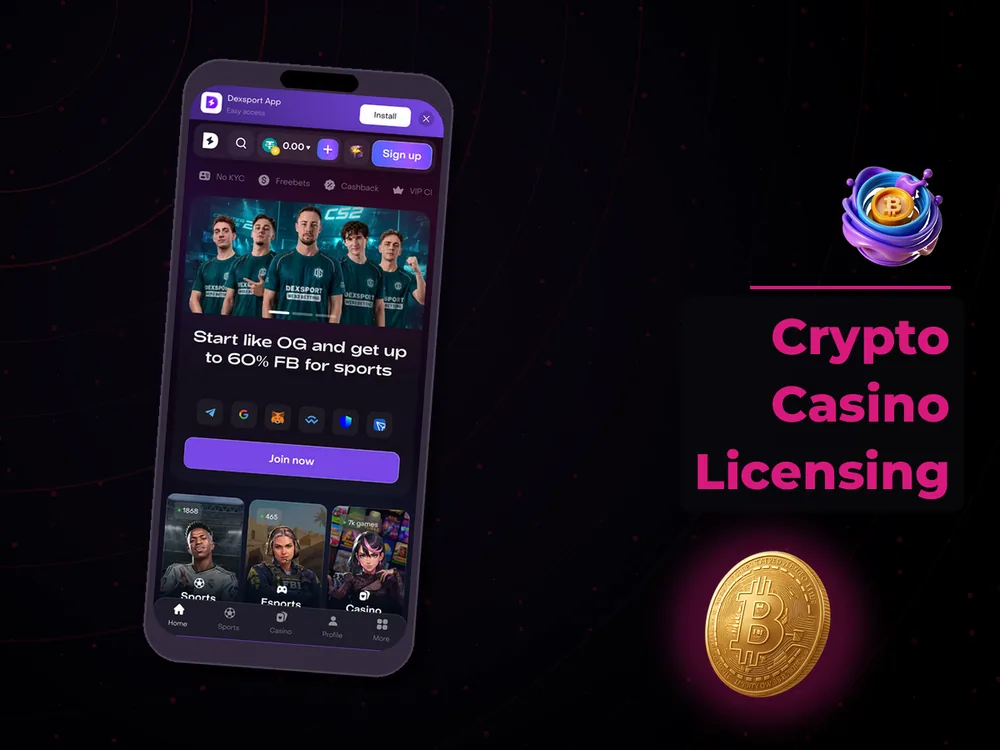
I’ve found that crypto casino licensing in 2026 operates through established regulatory frameworks despite cryptocurrency’s decentralized nature. Crypto casinos must obtain gambling licenses from recognized jurisdictions to legally accept wagers in Bitcoin, Ethereum, and other digital assets. The Malta Gaming Authority and Curaçao eGaming remain the primary licensing bodies, with each imposing specific requirements for blockchain-based operations. Players benefit from this regulatory oversight, which mandates financial transparency, fair gaming standards, and secure handling of crypto deposits and withdrawals. The licensing process for crypto casinos differs from traditional online gambling platforms because blockchain technology introduces unique compliance challenges. I’ve observed that regulators now require operators to demonstrate provably fair gaming mechanisms, maintain adequate cryptocurrency reserves, and implement wallet security protocols that meet or exceed conventional banking standards. Crypto casinos must also address the intersection of decentralized finance and gambling law, particularly around smart contract auditing and on-chain transaction verification. Malta Gaming Authority licensing requires crypto casinos to maintain physical operations within Malta or approved EU jurisdictions, undergo quarterly financial audits, and implement comprehensive Anti-Money Laundering (AML) procedures adapted for cryptocurrency transactions. The authority distinguishes between operators who accept crypto as a payment method versus those built entirely on Web3 infrastructure, with stricter technical requirements for the latter category. Curaçao offers a more streamlined licensing path that I’ve seen many crypto casinos pursue. The jurisdiction permits remote operations and charges lower annual fees, though it still mandates player protection measures including dispute resolution mechanisms and responsible gaming tools. Curaçao licenses don’t differentiate between fiat and crypto operations, applying the same baseline standards to both. Regulatory compliance extends beyond the initial license application. I monitor how crypto casinos must submit monthly reports detailing transaction volumes, player disputes, and security incidents. Blockchain transparency actually simplifies some compliance requirements—regulators can independently verify fairness claims and reserve holdings through public ledgers. However, this same transparency creates privacy considerations that licensed operators must balance against player anonymity expectations inherent to cryptocurrency culture. The Web3 evolution has prompted licensing authorities to develop new technical standards. I’ve reviewed requirements for smart contract audits, cryptocurrency custody insurance, and integration with decentralized identity protocols. These standards protect players while allowing crypto casinos to leverage blockchain advantages like instant withdrawals and cryptographic provability of game outcomes.
Why Crypto Casinos Require Gambling Licenses
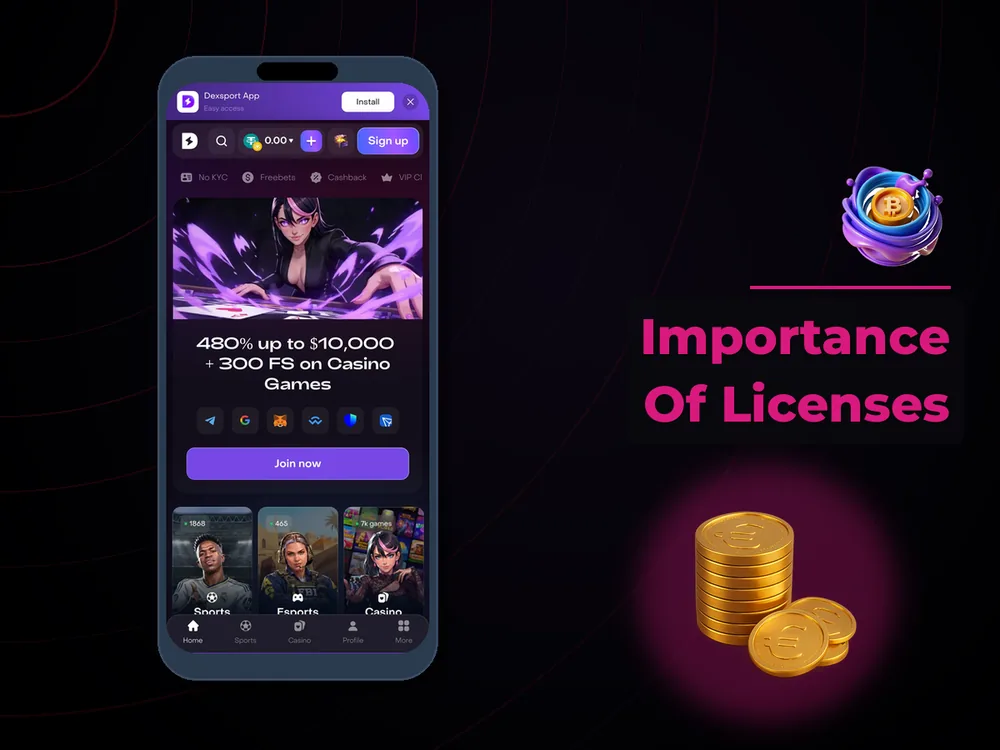
I understand why licensing remains essential for crypto casinos despite the borderless nature of blockchain technology. Regulatory compliance protects players from fraud, ensures fair gaming outcomes, and provides legal recourse when disputes arise. The Malta Gaming Authority, Curaçao, and Costa Rica enforce different standards, but all require operators to implement player protection measures that unlicensed platforms typically avoid. Player protection stands as the primary justification for crypto casino licensing. I’ve seen licensed operators required to offer deposit limits, self-exclusion tools, and integration with responsible gambling organizations like GamCare. Malta specifically mandates that crypto casinos maintain segregated player funds in cold storage wallets, preventing operators from accessing deposits for operational expenses—a safeguard that unlicensed sites rarely provide. Licensing enables crypto casinos to access legitimate payment gateways and banking relationships necessary for fiat-to-crypto conversions. I’ve found that reputable payment processors refuse to work with unlicensed gambling operators regardless of their blockchain credentials. This restriction extends to cryptocurrency exchanges, many of which block transactions to and from known unlicensed gambling platforms. Market access represents another crucial licensing benefit. Licensed crypto casinos can legally advertise in regulated markets, partner with established game providers, and obtain insurance coverage for player funds. Transparency requirements under Malta Gaming Authority and Curaçao licenses build trust with players who might otherwise question the fairness of provably fair algorithms or the security of cryptocurrency deposits. Regulatory compliance also protects crypto casinos from legal action. Operating without a license exposes platforms to prosecution, domain seizures, and financial penalties that can exceed the cost of proper licensing many times over. For players, dealing with licensed operators means access to formal complaint procedures and regulatory oversight that can compel casinos to honor legitimate withdrawal requests.
Top Jurisdictions for Crypto Casino Licenses
When I evaluate licensing options for crypto casinos, I focus on three primary jurisdictions that dominate the cryptocurrency gambling market: Malta, Curaçao, and Costa Rica. Each offers distinct advantages and trade-offs in terms of regulatory rigor, market access, approval timelines, and operational costs. The Malta Gaming Authority provides the most comprehensive EU-compliant framework, Curaçao offers a balanced middle ground with faster processing, and Costa Rica operates under minimal regulatory oversight. Understanding these differences helps me assess which licensing route aligns with specific operational goals and target markets.
Malta Gaming Authority Crypto Casino License
The Malta Gaming Authority represents the gold standard for EU-compliant crypto casino licensing, requiring comprehensive regulatory compliance that includes blockchain-specific transparency measures. I’ve found that Malta demands full software certification for all gaming platforms, including provably fair systems and smart contract audits for cryptocurrency transactions. The licensing process typically takes 6-12 months and involves establishing a Malta-registered company, maintaining minimum share capital, and implementing rigorous AML/KYC protocols. Operational audits occur annually, with quarterly reporting requirements for financial transactions and player protection metrics. The MGA’s blockchain transparency requirements mandate on-chain verification capabilities and immutable game outcome records. While Malta imposes higher operational costs and stricter ongoing compliance burdens than other jurisdictions, it grants unrestricted EU market access and provides the highest regulatory credibility for crypto casinos targeting European players.
Curaçao Crypto Casino Licensing
Curaçao has historically been the most accessible jurisdiction for crypto casino operators, operating under a master license structure that allows sublicensing through established providers. I observe that approval timelines typically range from 4-8 weeks, significantly faster than Malta’s process, with lower capital requirements and reduced ongoing compliance obligations. The jurisdiction explicitly permits cryptocurrency transactions and requires basic AML/KYC procedures, though standards remain less stringent than EU frameworks. Annual license fees generally fall between €10,000-€20,000 depending on the master license holder. However, Curaçao licenses face increasing scrutiny from EU regulators, and some markets now restrict or prohibit operators holding only Curaçao credentials. The software certification process is lighter, focusing primarily on RNG verification rather than comprehensive blockchain auditing. For crypto casinos prioritizing speed-to-market and operational flexibility over maximum regulatory prestige, Curaçao remains a viable option.
Costa Rica Gaming License for Cryptocurrency Casinos
Costa Rica operates under a data processing license model rather than formal gambling regulation, making it the fastest and most cost-effective licensing option I encounter for crypto casinos. The country doesn’t maintain a dedicated gambling authority; instead, operators obtain a business license to process gaming data. This approach results in minimal regulatory oversight, no software certification requirements, and no operational audits. Licensing costs typically remain under €5,000 annually, with approval occurring within 2-4 weeks. However, the lack of formal gambling regulation means Costa Rica licenses carry limited credibility in regulated markets and offer no EU market access. The transparency requirements are minimal, and there’s no mandatory framework for player protection or dispute resolution. I find this jurisdiction suitable primarily for operators targeting unregulated markets or those prioritizing minimal compliance obligations over regulatory standing.
| Jurisdiction | Approval Timeline | EU Market Access | Crypto Policy | Ongoing Compliance |
|---|---|---|---|---|
| Malta | 6-12 months | Full access | Explicit acceptance with blockchain auditing | Annual audits, quarterly reports |
| Curaçao | 4-8 weeks | Limited/restricted | Crypto-friendly, basic AML/KYC | Annual renewal, lighter oversight |
| Costa Rica | 2-4 weeks | None | No specific regulation | Minimal requirements |
Regulatory Requirements and Compliance Framework
Across all three major licensing jurisdictions, I navigate specific mandatory compliance elements that crypto casinos must satisfy, though the stringency varies significantly. Corporate structure requirements begin with company registration—Malta demands incorporation within the jurisdiction or another EU member state, Curaçao requires local or Netherlands Antilles registration, and Costa Rica accepts simple business licensing. The regulatory compliance framework extends beyond basic registration to encompass software certification, operational audits, and transparency reporting obligations. Software certification forms the technical compliance backbone. The Malta Gaming Authority requires comprehensive testing of random number generators, game fairness verification through accredited testing laboratories, and blockchain-specific smart contract auditing for cryptocurrency mechanics. I ensure that all game outcomes can be verified on-chain and that provably fair algorithms meet MGA standards. Curaçao mandates RNG certification but applies lighter standards to blockchain verification, while Costa Rica imposes no formal software certification requirements. Operational audits vary by jurisdiction. Malta requires annual financial and operational audits conducted by approved firms, with quarterly reporting on player funds segregation, transaction volumes, and responsible gambling metrics. Curaçao typically requires annual financial reviews without the comprehensive operational scope Malta demands. Costa Rica has no mandatory audit framework. Transparency obligations represent a critical compliance area for crypto casinos. Malta enforces strict disclosure requirements: publishing game RTPs, documenting smart contract addresses, maintaining publicly accessible blockchain transaction logs, and providing detailed terms for token mechanics. I must ensure that all cryptocurrency deposit and withdrawal processes are fully documented and verifiable on-chain. Curaçao requires basic terms and conditions disclosure but less comprehensive blockchain transparency. Costa Rica maintains minimal transparency requirements beyond standard business practices. For crypto-specific technical requirements, I focus on implementing provably fair gaming systems, maintaining hot and cold wallet security protocols, and ensuring smart contract code undergoes independent security audits before deployment. These blockchain-native compliance elements supplement traditional gambling regulation across all jurisdictions where crypto casinos operate.
Anti-Money Laundering and KYC for Crypto Gambling
When I explore crypto casinos, I’ve discovered that anti-money laundering protocols are significantly more rigorous than traditional online gambling platforms. The pseudonymous nature of cryptocurrency creates compliance challenges that regulators like the Malta Gaming Authority address through stringent AML requirements aligned with EU AML directives. From my experience, KYC verification follows a tiered structure. Basic verification occurs at sign-up—I provide standard identity documents, proof of address, and contact details. Enhanced verification triggers when I attempt withdrawals above specific thresholds or make unusually large deposits. This graduated approach balances privacy with regulatory compliance. Transaction tracing has become central to my interactions with crypto casinos. Platforms implement wallet address screening against known databases, analyze transaction graphs for suspicious patterns, and monitor deposit security continuously. Blockchain’s inherent transparency actually facilitates compliance—every transaction creates an immutable record that suspicious behavior detection systems can audit. The cybersecurity infrastructure crypto casinos deploy includes specialized tools targeting money laundering prevention. When I deposited a significant amount, I was required to verify the source of funds through bank statements and transaction history. The platform cross-referenced my wallet address, tracked transaction patterns, and applied behavioral analytics to ensure compliance with KYC standards. The verification process for crypto casino players typically follows these steps:
- Initial registration requiring government-issued ID and proof of address
- Email and mobile verification to activate the account
- Enhanced verification triggered at first withdrawal or when deposit thresholds are exceeded
- Source-of-funds documentation for transactions above regulatory limits
- Continuous monitoring for suspicious behavior detection and unusual patterns
- Additional scrutiny for cryptocurrency-to-fiat conversions and large cashouts These AML measures protect the gambling ecosystem from financial crime. While verification adds processing time, it ensures crypto casinos maintain regulatory compliance and operate within legal frameworks designed to safeguard players and prevent illicit financial activity.
Licensing Application Process and Timeline
When I researched how crypto casinos obtain licenses, I discovered the application process varies significantly by jurisdiction. The Malta Gaming Authority requires comprehensive documentation and extended timelines, while Curaçao and Costa Rica offer faster alternatives with different regulatory compliance standards. The licensing process follows these essential steps:
- Establish a registered company in the chosen jurisdiction with proper corporate structure
- Prepare technical documentation including platform specifications, RNG certificates, and smart contract audits
- Submit financial records and beneficial ownership disclosure statements
- Undergo compliance audit covering AML procedures and operational audits
- Address regulator feedback and revise documentation as required
- Receive formal license approval and certificate issuance Malta Gaming Authority applications typically require 6-12 months due to rigorous software certification requirements and extensive scrutiny of transparency measures. The regulator examines platform functionality, security protocols, and regulatory compliance before approval. Curaçao processes applications within 1-2 months, requiring basic documentation but conducting less intensive technical reviews than Malta. This explains why many crypto casinos choose Curaçao for faster market entry. Costa Rica offers the quickest pathway at approximately 2-4 weeks. However, Costa Rica’s framework focuses on business registration rather than gambling-specific regulation, affecting international license recognition. From my observations, common bottlenecks include software certification delays when providers lack established regulator relationships. AML policy revisions extend timelines when initial submissions don’t meet standards. Transparency in beneficial ownership documentation can cause delays with complex corporate structures. Understanding each jurisdiction’s specific requirements for regulatory compliance, operational audits, and software certification helps crypto casinos navigate applications efficiently and avoid costly resubmissions that extend the already substantial timeline.
Costs and Investment Structure for Crypto Casino Licenses
When I explored the financial requirements for obtaining a crypto casino license, I discovered that costs vary significantly by jurisdiction. The Malta Gaming Authority requires initial application fees ranging from €25,000 to €50,000, with additional annual renewal fees and proof of substantial capital reserves. Malta’s regulatory compliance standards also mandate comprehensive operational audits to verify blockchain transaction verification systems. In Curaçao, I found licensing costs considerably lower at approximately $10,000 to $20,000 for initial applications, though ongoing compliance expenses remain mandatory. Costa Rica presents the most accessible entry point, with fees ranging from $2,000 to $5,000, though this reflects less stringent regulatory oversight. Beyond licensing fees, I encountered several recurring expenses:
- Software certification costs for game integrity verification
- Annual operational audits examining financial records and transaction histories
- Blockchain-specific audit requirements (typically higher than traditional casino audits)
- Legal compliance reviews to maintain transparency with regulators
- Reserve capital requirements (Malta requires operators to demonstrate substantial financial backing) These cumulative costs mean crypto casinos should budget significantly beyond the initial license fee. Transparency in financial planning is essential, as regulatory compliance failures can result in license suspension or costly remediation procedures.
Payment Processing and Blockchain Compliance
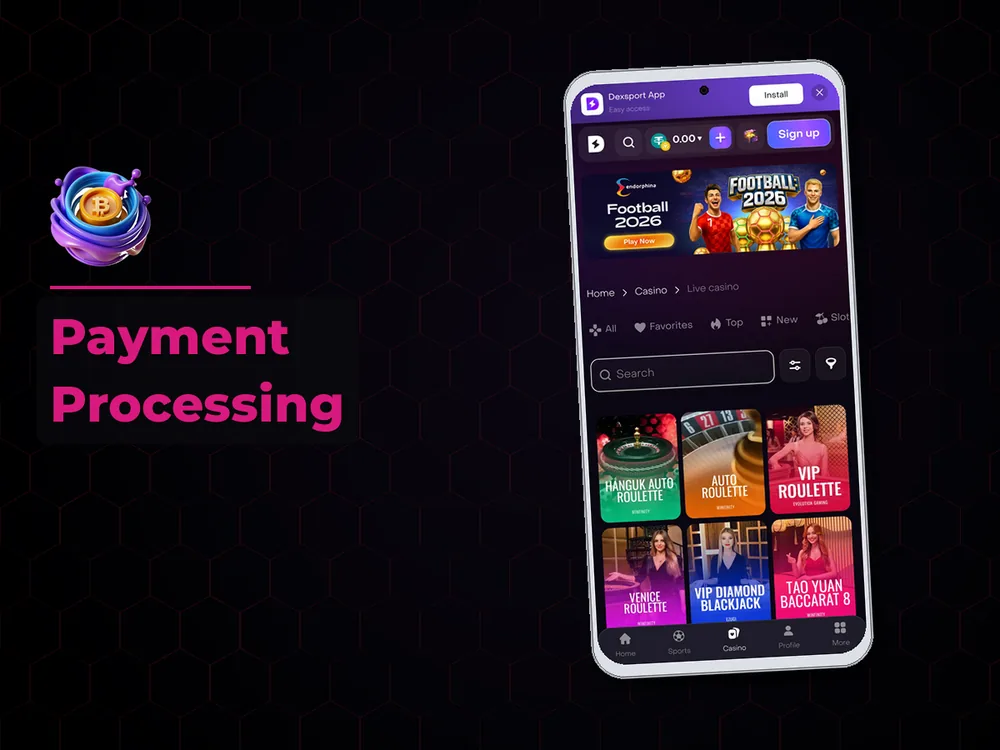
I learned that cryptocurrency acceptance policies differ substantially across licensing jurisdictions. Most regulators permit Bitcoin and Ethereum as primary digital assets, along with established stablecoins and select virtual currencies. However, payment gateways must integrate with licensed processors even when handling cryptocurrency transactions, creating an additional compliance layer beyond traditional fiat casino operations. The Malta Gaming Authority requires crypto casinos to implement robust AML (Anti-Money Laundering) and KYC (Know Your Customer) verification systems for all cryptocurrency transactions. These protocols involve identity verification, transaction monitoring, and source-of-funds documentation—standards mirroring traditional banking regulations applied to digital assets. Several jurisdictions mandate that operators provide crypto-to-fiat conversion options alongside pure cryptocurrency functionality, ensuring players can withdraw funds in traditional currencies. Payment gateways must support these conversions while maintaining regulatory compliance across both cryptocurrency and fiat domains. For GB-based players, I should note a significant regulatory gap: the UK Gambling Commission does not currently license crypto-only casinos, meaning such platforms operate under offshore jurisdictions like Malta or Curaçao. This creates uncertainty around consumer protections when UK residents access cryptocurrency gambling platforms. Transaction limits and processing requirements vary by license type, with some jurisdictions imposing caps on daily cryptocurrency withdrawals to prevent money laundering risks through virtual currencies.
Player Protection and Responsible Gaming Obligations
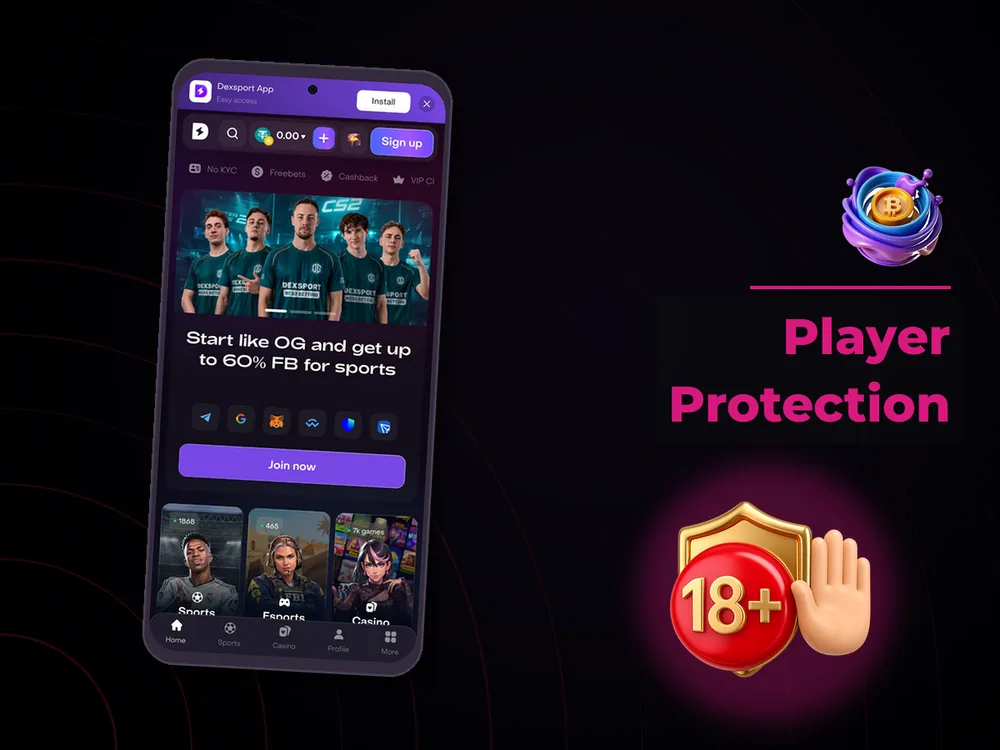
I ensure player protection is central to crypto casinos’ operations, with mandatory safeguards required across all licensed jurisdictions. Every platform must verify players meet the 18+ age requirement before allowing real-money wagering, though cryptocurrency’s pseudonymous nature complicates verification—most operators implement KYC checks before processing withdrawals and monitor wallet address reputations. Responsible gaming tools are non-negotiable: I can access deposit limits to control spending, activate self-exclusion mechanisms if I need a break, and benefit from mandatory reality checks on Malta-licensed platforms. For GB-facing operations, GamCare provides free, confidential support for anyone concerned about their gambling behavior, with resources integrated into platform interfaces. These consumer protection measures aren’t optional add-ons—they’re regulatory requirements enforced through license audits and compliance monitoring. While crypto gambling offers unique payment advantages, player protection standards remain identical to traditional online casinos, ensuring I have the same safeguards regardless of whether I deposit in Bitcoin or fiat currency.

Welcome bonus for new players
Start playing with your welcome bonus